Consistency
One repeatable structure on every job
Sections, labels, and evidence layout stay consistent so office teams can quote faster, designers can move without delay, and install teams can work from one organised pack.

Consistent pack structure, labelled evidence, clear floor plans, and portal delivery so office, design, and installation teams can move without rebuilding the same job context.
15,000+ surveys completed · pack on completion via portal · EPC by next morning · one clear pack standard across office, design, and installation teams.
A pack built to answer commercial and technical questions quickly: what was seen on site, what matters for design, and what the install team needs before day one.
Every page below is from a real Vertex pack. The structure stays consistent from job to job, so the next person does not have to decode a different PDF every time.
The pack only matters if it helps the office price faster, helps design review sooner, and helps site teams walk in better prepared.
Sections, labels, and evidence layout stay consistent so office teams can quote faster, designers can move without delay, and install teams can work from one organised pack.
Property overview, heat loss, floor plan, heating, electrics, loft, plant location, cylinder, solar, EPC, photos, install reference, declaration, and thermal imaging are easy to jump between.
Packs land in the portal with the evidence grouped clearly enough for office, design, and installation teams to work from the same version of the job.
Each pack follows a consistent structure so the office can quote, design can review, and install teams can prepare without guessing where the detail sits.
Satellite aerial cover, property photo, and a data grid showing 20+ fields: rooms, windows, radiators, floor area, property age, wall type, electrical supply phase, fuse rating, spare ways, heating type, UFH, surveyor name, and date.
Complete heat loss calculation with measurements for every room. Wall areas, window areas, U-values, ventilation rates, and calculated heat loss per room. The numbers your design team needs to size the system.
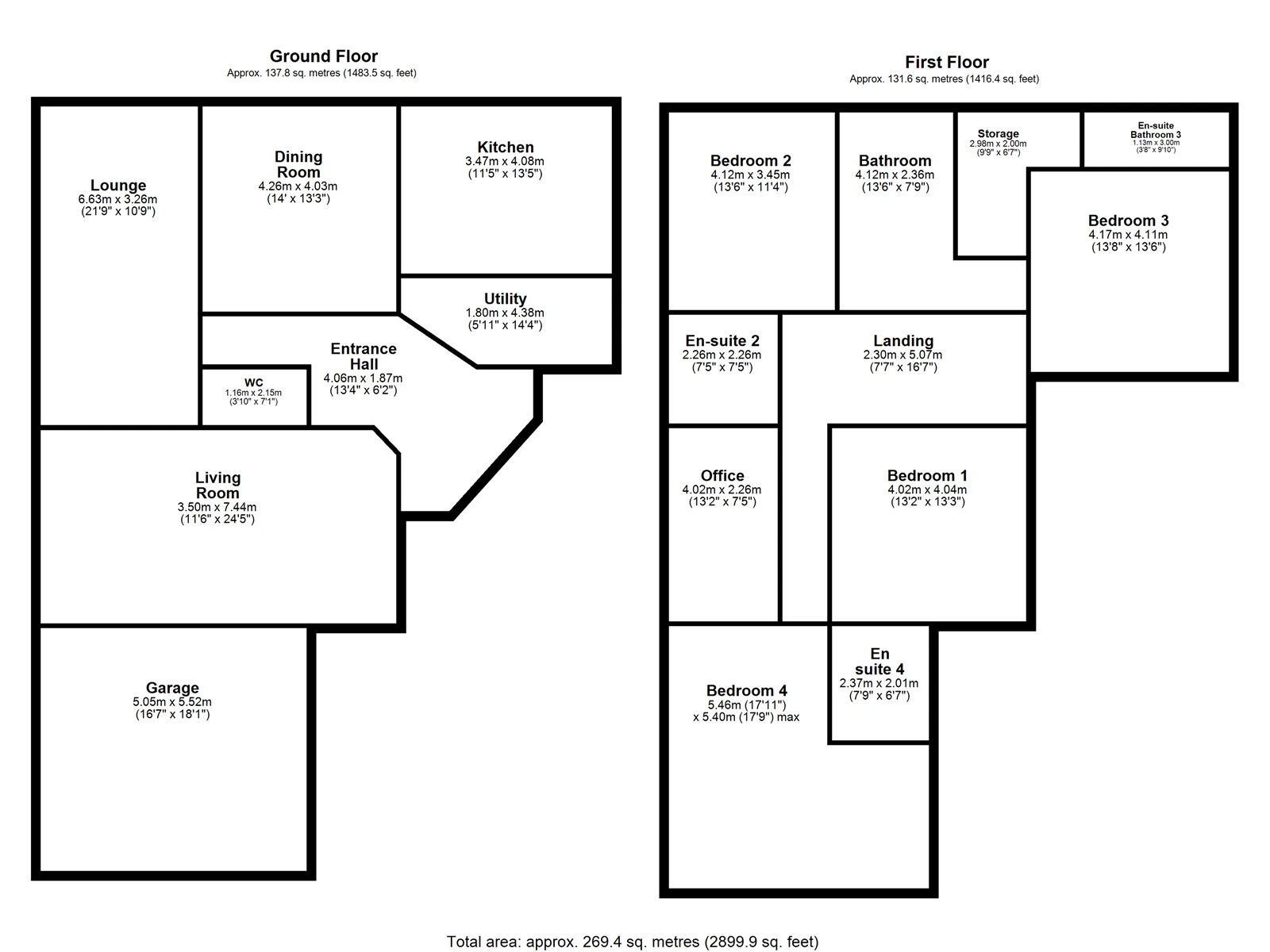
Floor-by-floor room analysis with dimensions and layout context that helps design teams move faster and gives installers clearer spatial reference.
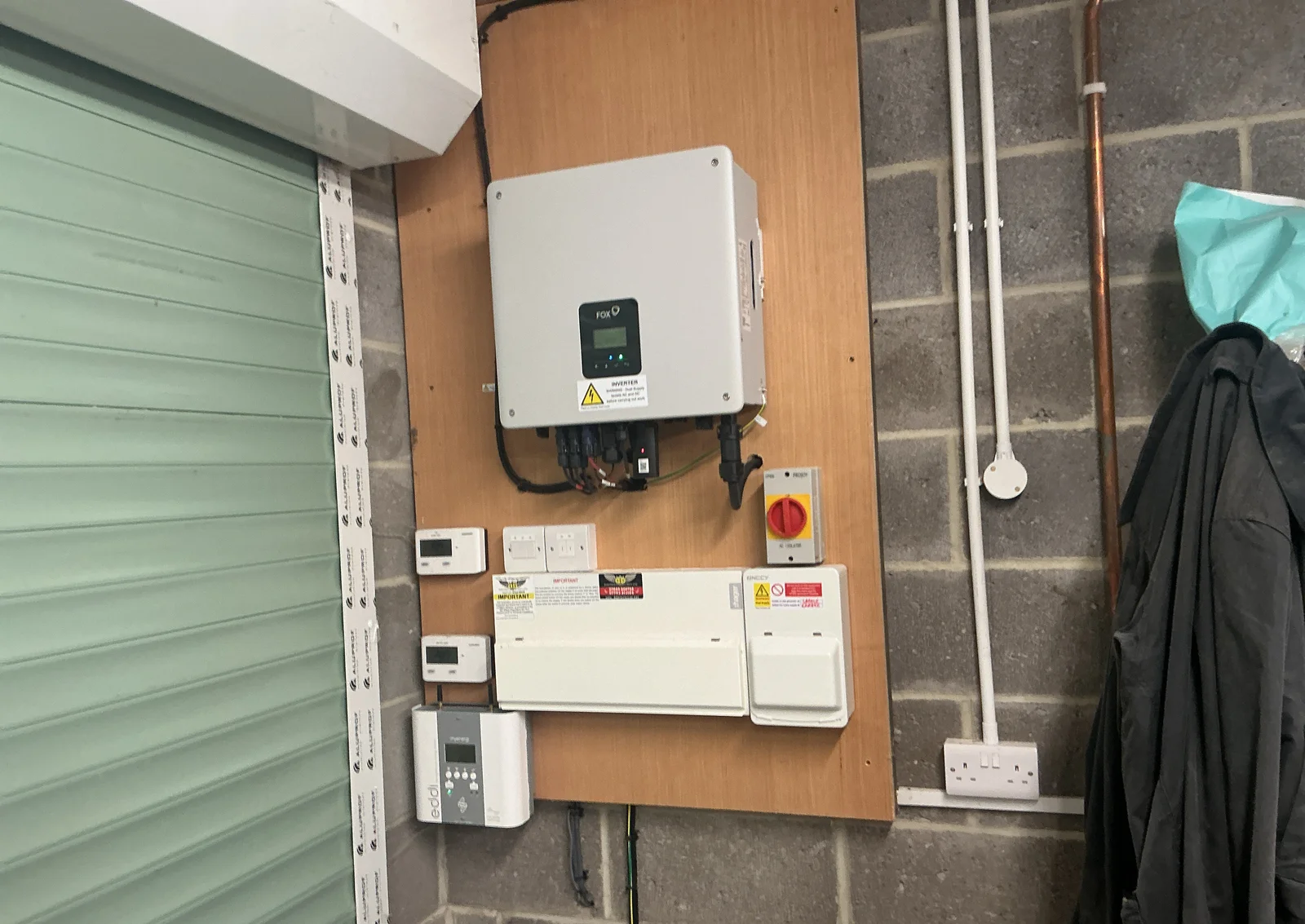
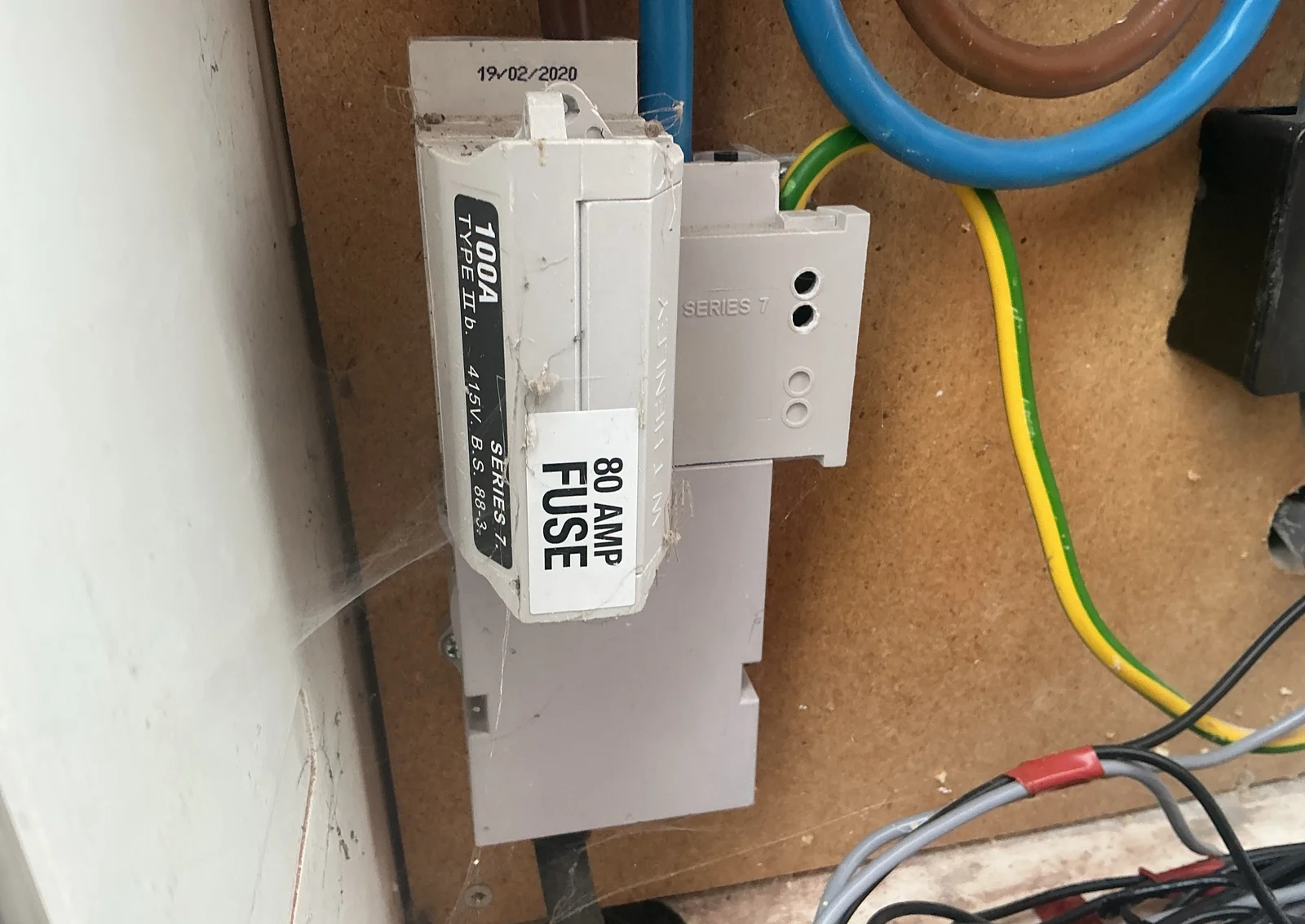
Current heating system, boiler type, controls, radiator count, fuel type, underfloor heating status. Consumer unit location, phase, fuse rating, spare ways, meter location, energy supplier, smart meter status. Everything install teams need before site day.
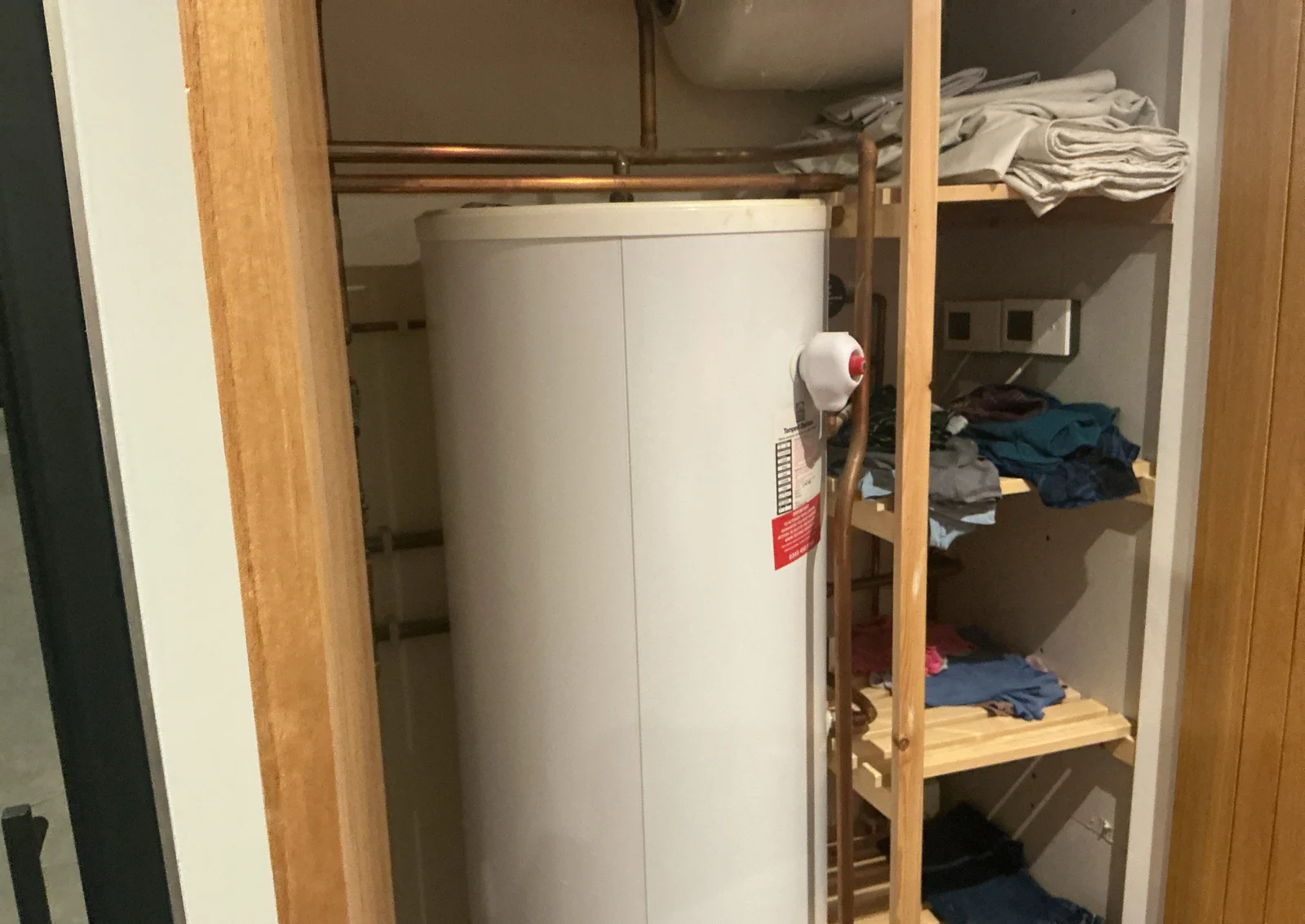
ASHP mounting location assessment with clearance evidence. Cylinder positioning, dimensions, and installation access. Loft insulation depth, access assessment, and height measurements.
Solar panel placement analysis with roof orientation and shading context. EPC rating, energy bill data, and supplier information for compliance documentation.
Every photo captured during the survey, organised by category: property exterior, electrical, heating, loft, ASHP location, cylinder, pipework, access routes. Labelled and high-resolution. No ambiguity about what was recorded.
Technical notes for the installation team. Customer-signed declaration for unverified claims. Thermal imaging analysis showing heat loss visualisation across the building fabric.
The format is designed so each role can move quickly without re-questioning the same job data.
Clear evidence structure reduces internal chasing and shortens the gap between survey and quote issue.
Photos, measurements, and assumptions are placed next to decisions so design queries are resolved faster.
Install teams get practical context before site day, reducing avoidable surprises and last-minute redesigns.
Fast delivery only matters when the structure is consistent and usable across office, design, and installation roles.
Survey evidence is delivered in one consistent format, ready for quoting, design review, and install prep.
Where EPC is in scope, next-morning turnaround keeps downstream admin and compliance movement predictable.
Office, design, and install teams access the same record, reducing follow-ups and duplicated file chasing.
The commercial difference is simple: either the next team can move immediately, or the job stalls while people chase what should already be there.
See the pack quality, turnaround, and portal delivery in your own process before scaling volume.